

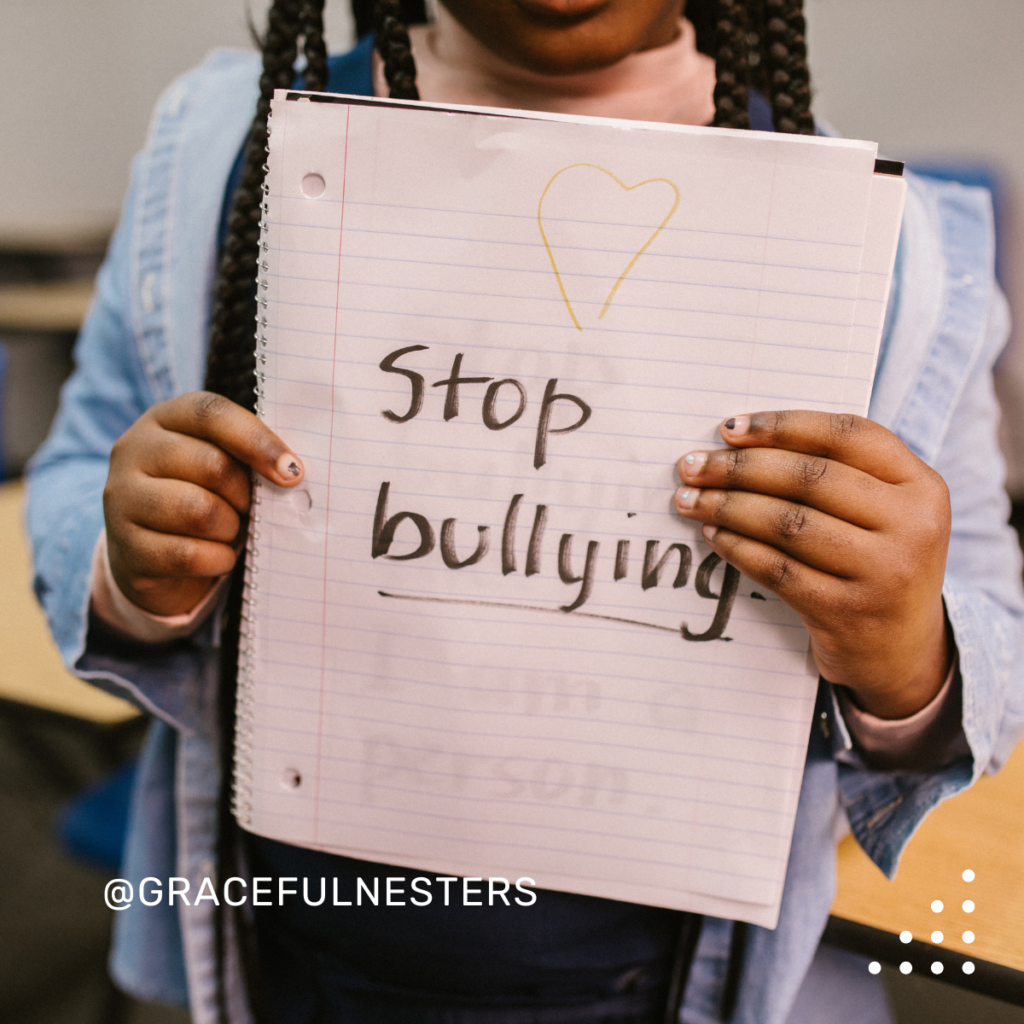
When faced with bullying, it is important to approach the situation thoughtfully and proactively. Encourage your child to express their feelings and experiences openly, reassuring them that their safety and well-being are your top priorities. Establishing open communication early can help prevent escalation and ensure the issue is addressed promptly.
If your child is being bullied at school, do not encourage them to retaliate. Aggression is not a solution.
Confirm your child’s account before acting on the report.
- Gather all details, including the perpetrator’s name.
- Email the teacher about the incident.
- Request the teacher speak with the accused student.
- Ask to be notified once the issue is addressed.
- If no response, follow up by email. If bullying continues or there’s still no reply, call or visit the school to speak with the teacher.
- If uncooperative, escalate to the principal.
- Remain calm throughout. State the problem clearly and share your message history.
ADDRESSING SITUATIONS WHEN A CHILD EXHIBITS BULLYING BEHAVIOR
Uh oh! My child is the bully! What now?
- Stay calm.
- Clearly express your disappointment.
- Ask your child what led them to think bullying was acceptable.
- There should be clear consequences for this kind of behaviour, such as restricting access to phones, tablets, or TV for a set period. You might also remove a privilege that does not affect the child’s health or wellbeing, for example, it is not acceptable to use food deprivation as a form of discipline.
- Refrain from using terms such as “bad child, stupid, or monster.” Name-calling constitutes a form of bullying; avoid engaging in the behavior you are addressing.
- If requested to meet with school officials, attend as a couple when possible. Approach discussions calmly and ask thoughtful questions, for example:
- I am surprised to hear this,”
- I would like to understand why my child perceives it is acceptable to bully another student.”
- Your demeanor during meetings at the school is crucial; remain composed throughout the process. If you have concerns about maintaining your composure, consider bringing someone who can support you in staying calm.
- Avoid assigning blame or suggesting that the other child deserved to be bullied.
- It is essential that your child offers a sincere apology to the child who was bullied.
- Ask the school for further recommendations on handling the issue.
- Inform your child you’ll check with the school about their interactions.
Bullying is a learned behavior, and it can be unlearned.
💡Children who see aggression at home may mirror those actions at school.
@gracefulnesters.ca